
Books on the creative process: five for the long game

Books on the creative process that still hold up on a second and third read. Here are the five I keep coming back to, years later.
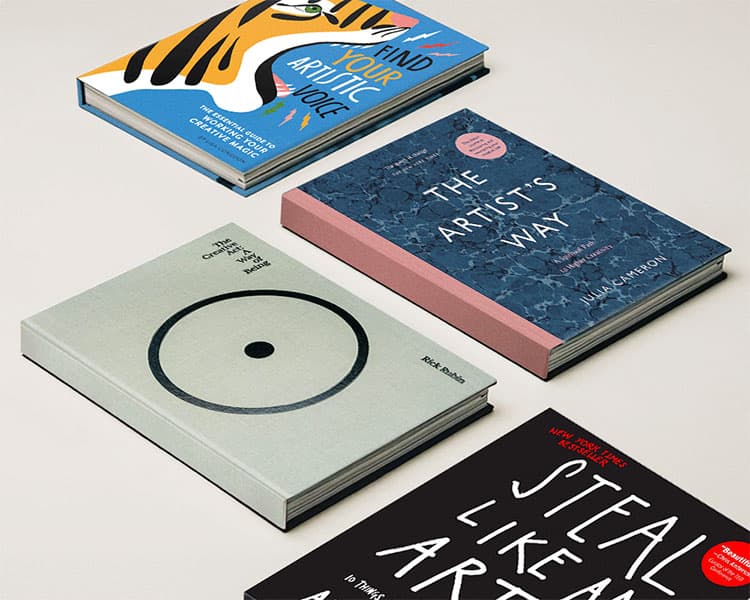
Books on the creative process tend to fall into two categories: the ones that motivate for a week, and the ones that actually change how you think about the work. Generally, these five belong to the second category. I’ve reread parts of each one more than once, which is the real test.
The Creative Act: A Way of Being, by Rick Rubin
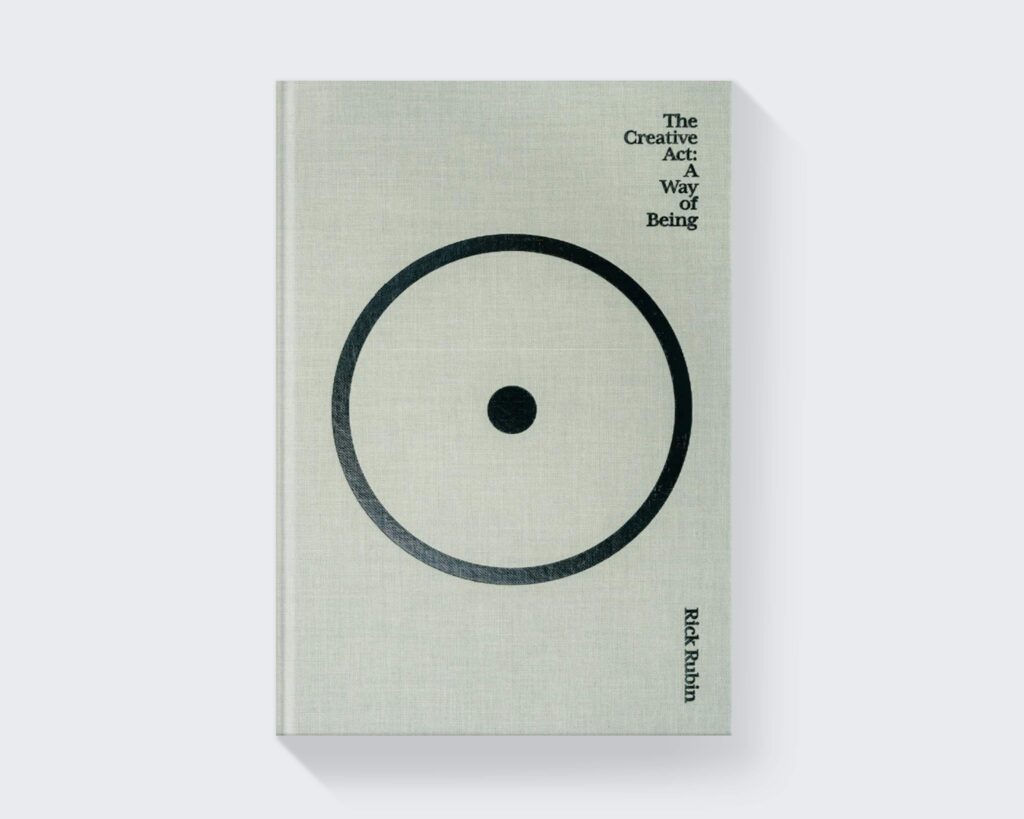
This is the book on the creative process I recommend first. Rubin brings decades as a music producer to a book that isn’t really about music at all. It’s closer to a set of principles for paying attention, treating every decision in the process as worth noticing rather than rushing past. Dense in places, but the kind of density that rewards rereading a section months apart.
Find Your Artistic Voice, by Lisa Congdon
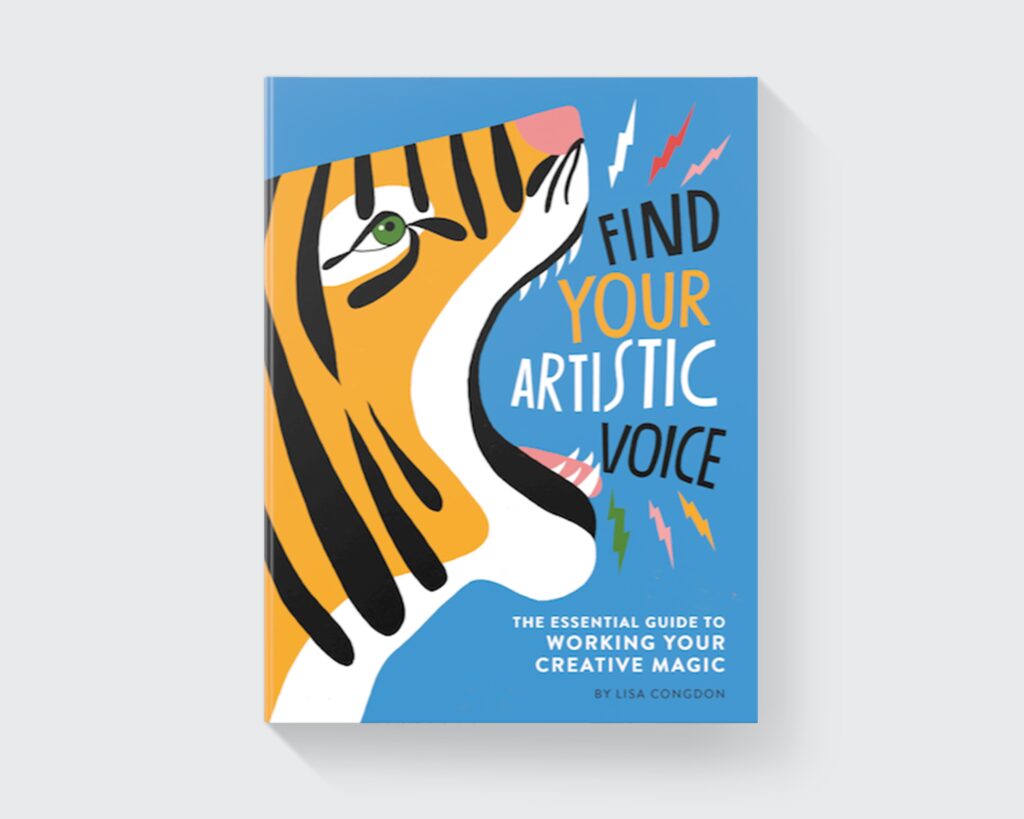
In fact, Congdon’s core argument is that you don’t discover voice in a single moment, you accumulate it through repetition and honest mistakes. That idea alone reshaped how I think about my own process, specifically the chapters on filtering influence instead of avoiding it entirely.
Steal Like an Artist, by Austin Kleon
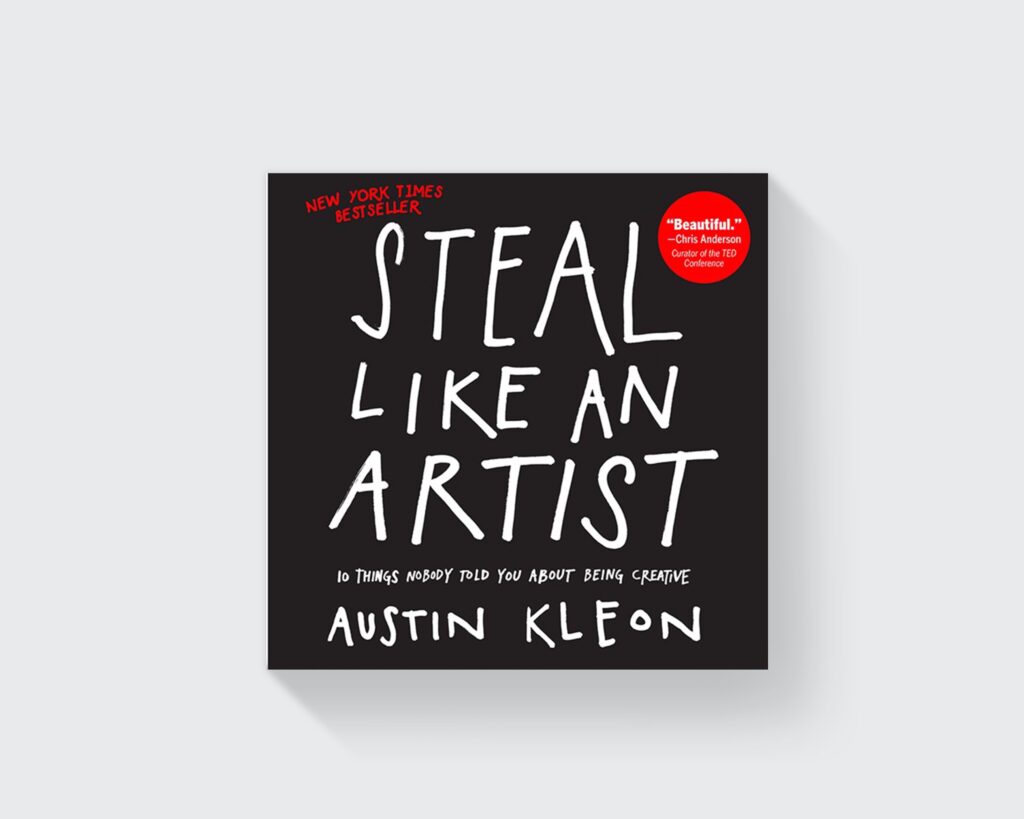
Kleon’s central claim, that originality is really just well-digested influence, is uncomfortable the first time you read it and obviously true the second. Still, the book is short enough to reread in an afternoon, and it holds up better on a second pass than most books twice its length.
The Artist’s Way, by Julia Cameron
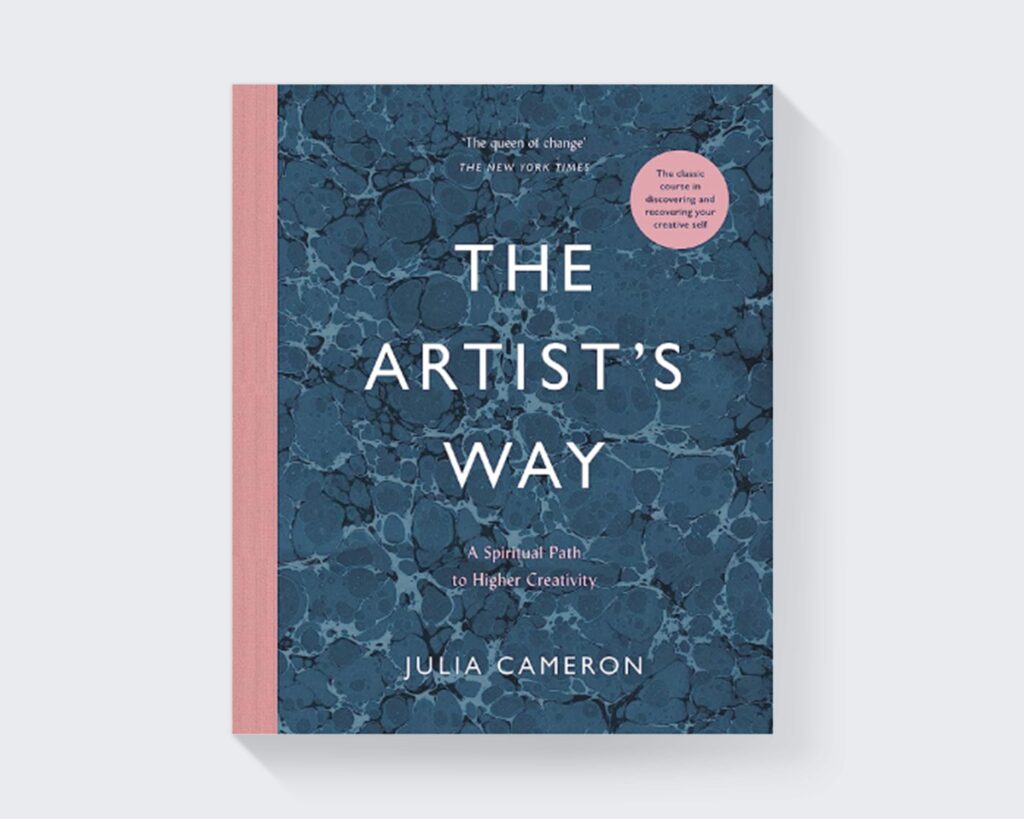
Some of Cameron’s language reads dated now. But the underlying structure, specifically the practice of daily pages, is one of the few habits from any creativity book I’ve actually kept doing for years. The exercises work less as inspiration and more as maintenance.
Big Magic, by Elizabeth Gilbert
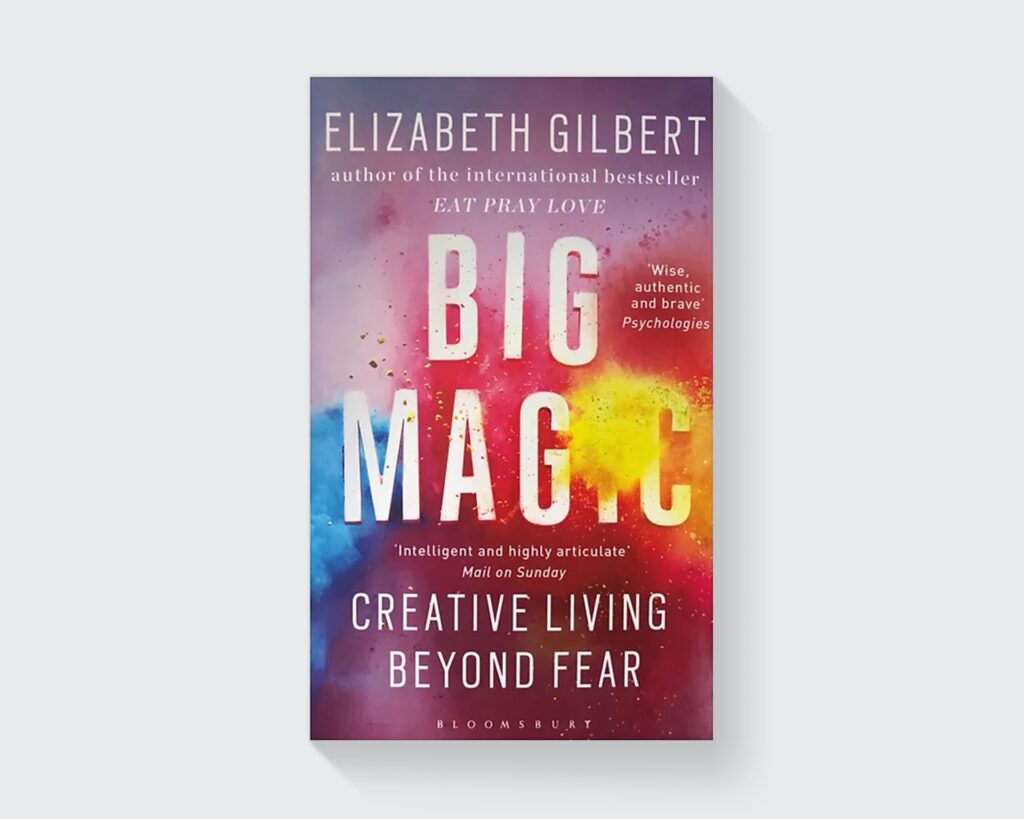
Gilbert’s argument about fear coexisting with creative work rather than blocking it is more useful than most advice about “overcoming” fear entirely. The book treats fear as a permanent passenger, not an obstacle to defeat once and move past.
None of these five books on the creative process are quick fixes, which is exactly why they’ve lasted on my shelf longer than the books that promised faster results.