
Online art collections worth your time: seven places to start

High-resolution scans from the Louvre, MoMA, and five other major collections, good enough to actually study brushwork and reference for your own work.
Online art collections used to mean a handful of low-resolution jpegs and a clunky interface. That’s changed. I actually use several of these as reference tools now, not just for browsing on a slow afternoon.
Google Arts & Culture: the widest net
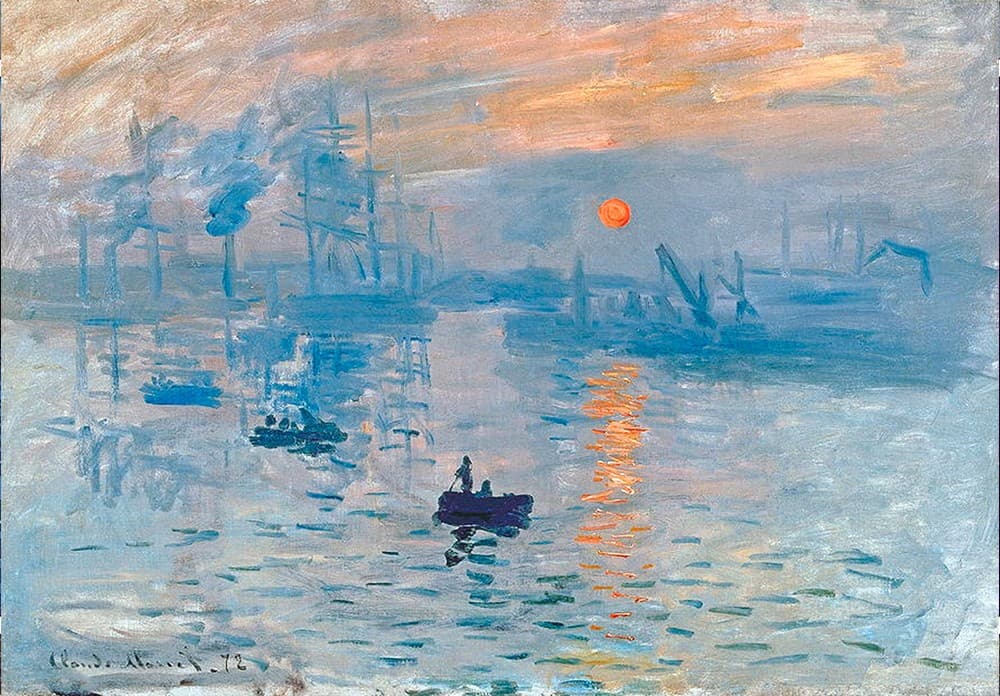
Google Arts & Culture partners with over 2,000 museums and cultural institutions worldwide. That makes it the best starting point if you don’t know exactly what you’re looking for. The image resolution is high enough to study brushwork and texture up close. That matters if you’re pulling reference for your own composition work, not just looking.
The Louvre and the Guggenheim, without the line
The Louvre offers online tours that get you into rooms that are usually packed with tourists, letting you actually look at a piece instead of fighting for a sightline. The Guggenheim does something similar for its rotating exhibitions, which is useful since those shows close and disappear from view otherwise.
British Museum, MoMA, Smithsonian, and Rijksmuseum
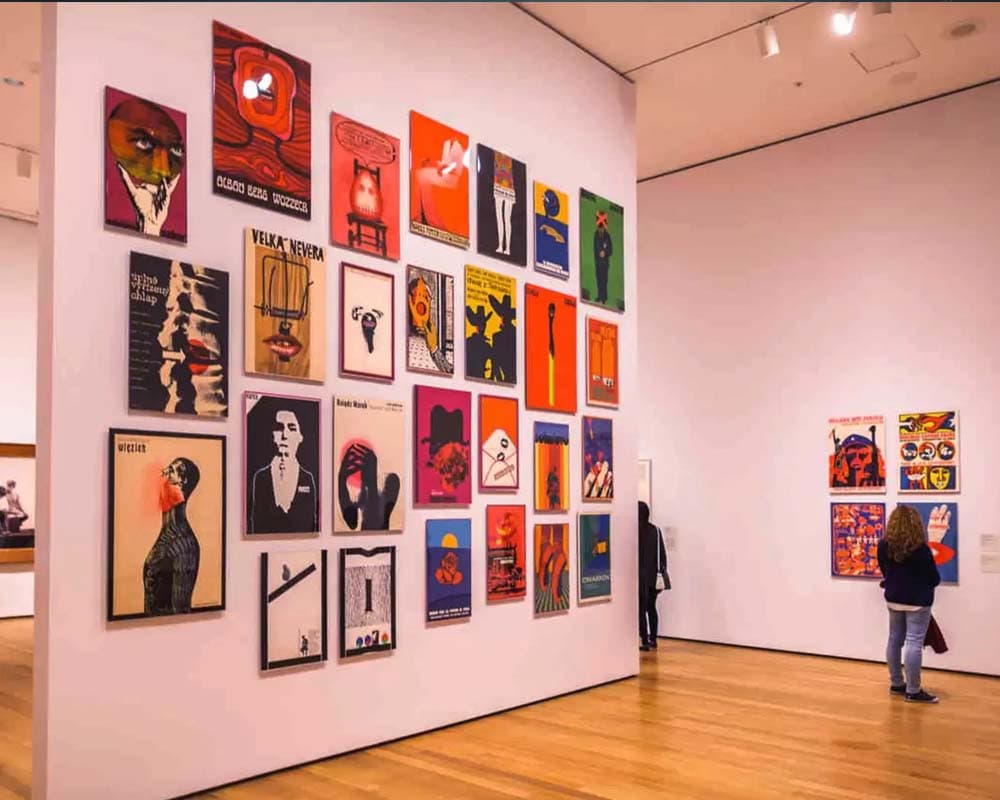
Beyond the two above, the British Museum, MoMA, the Smithsonian, and the Rijksmuseum all maintain searchable online collections. Each has its own focus. MoMA covers modern and contemporary work. The British Museum spans a much longer historical range. The Rijksmuseum focuses specifically on Dutch masters.
Why this actually matters for working artists
Having this much visual reference available for free changes how research works. Instead of relying on secondary sources or low-quality reproductions, you can go to high-resolution scans of the actual pieces. That’s a meaningfully different experience when you’re trying to understand how a specific artist handled color transitions or edge control. A small printed reproduction loses exactly those details.
These collections are worth building into an actual research habit rather than saving for one-off browsing sessions.