
Cándido López paintings: the soldier painter

He carried a sketchbook into battle, lost his painting hand to shrapnel, and kept working anyway. The real story behind Cándido López’s war paintings.
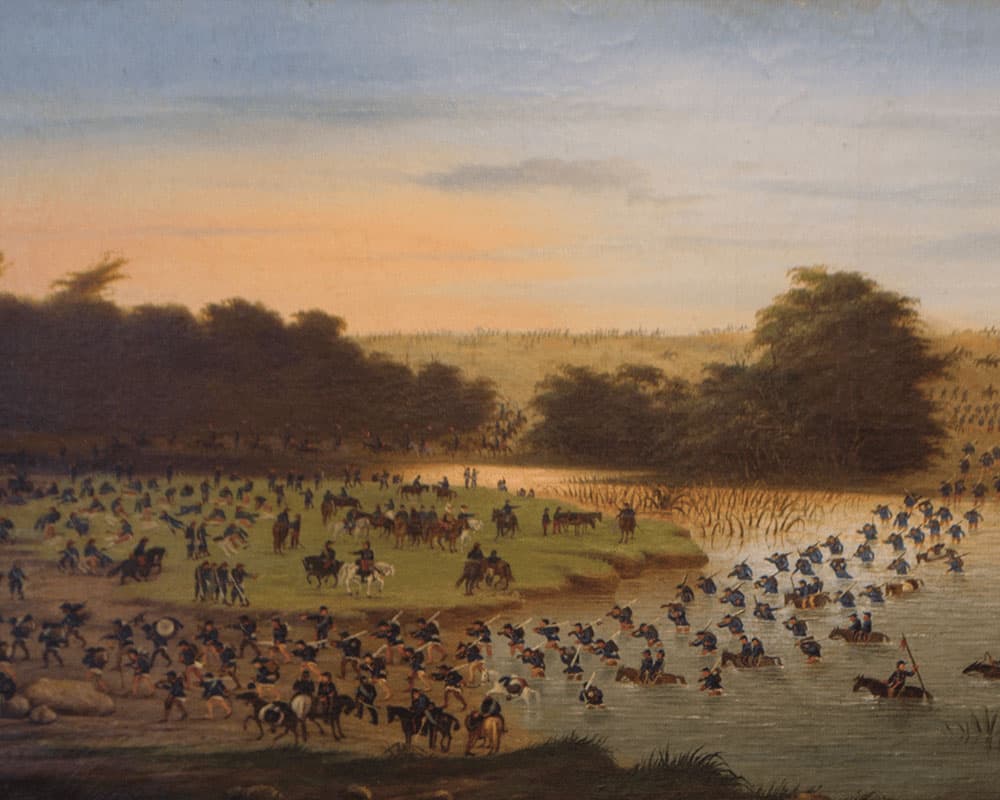
Cándido López paintings tell a war story most battle art doesn’t. López wasn’t commissioned to observe the fighting from a safe distance, he was in it.
He was born in Buenos Aires in 1840. He started out as a self-taught daguerreotypist, working portraits with a business partner before the war. Nothing about that early career suggested he’d end up known as a war painter. Then, in April 1865, he enlisted as a second lieutenant. That was the start of the Paraguayan War, and everything about his work changed from there.

Self Portrait, by Cándido López
Oil on canvas
1856
He carried drawing materials into the field for the entire time he was fighting. He sketched troop movements and camp scenes between battles. In 1866, during the assault on Curupaytí, a piece of shrapnel took his right hand. Still, he didn’t stop painting. Instead, he retrained his left hand from scratch and kept working.

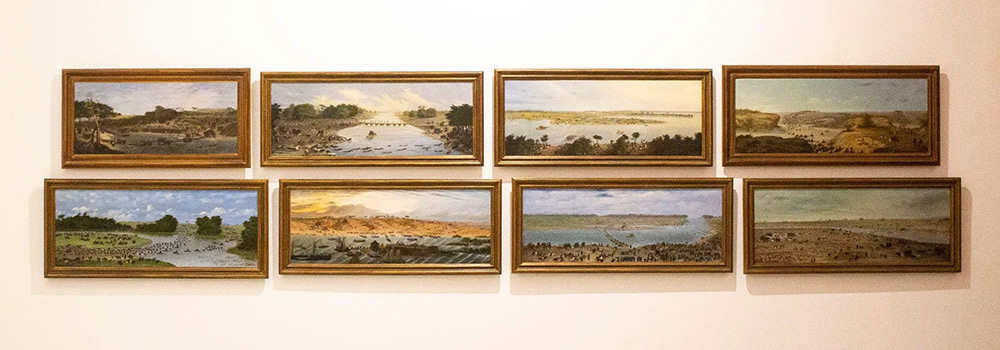
What makes Cándido López paintings distinct isn’t just the story behind them, though. He chose a horizontal format that was unusual for oil painting at the time. It let him hold several simultaneous actions on one canvas: soldiers advancing on one side, smoke and wounded on another, the terrain itself doing as much narrative work as any single figure. Originally, he set out to complete ninety of these war paintings from his field sketches. In the end, he finished a bit more than fifty.
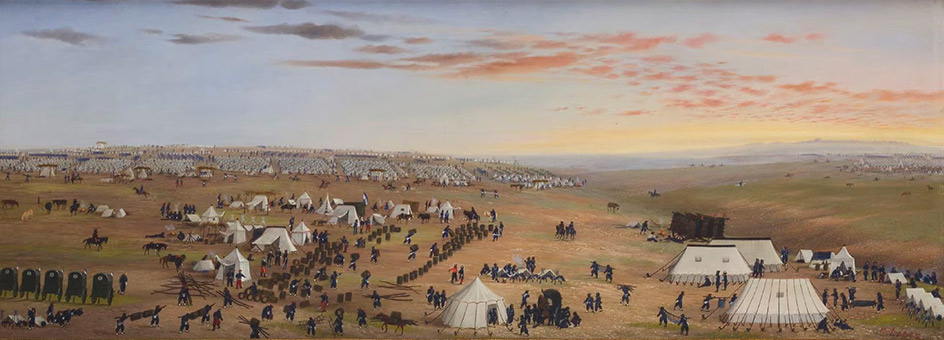
Later, he moved into landscapes and still lifes. He signed some of that later work under the pseudonym “Zepol,” his own name spelled backward. I keep coming back to the landscapes especially, since the way he handled a sunset sky, or smoke drifting over a river, is some of his most controlled color work.
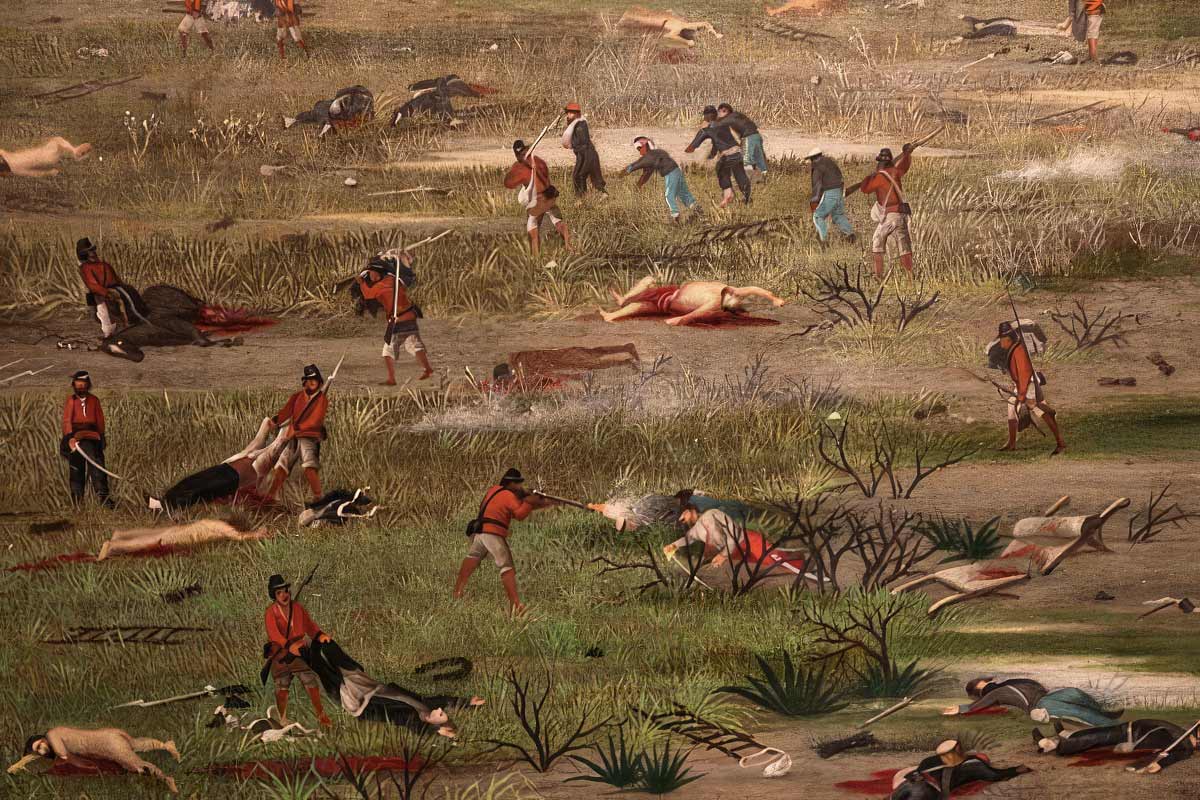
If you’re ever in Buenos Aires, the paintings are worth seeing in person at the National Museum of Fine Arts (MNBA or Museo Nacional de Bellas Artes) in Recoleta. I’m a member there, and the room with López’s battle scenes is one I still stop in every time I visit.