Album cover illustration: how I turn music into visual art
Every album cover I make starts with the music, not the brief. Here’s how I translate sound into image, and what the process actually looks like.
share this!
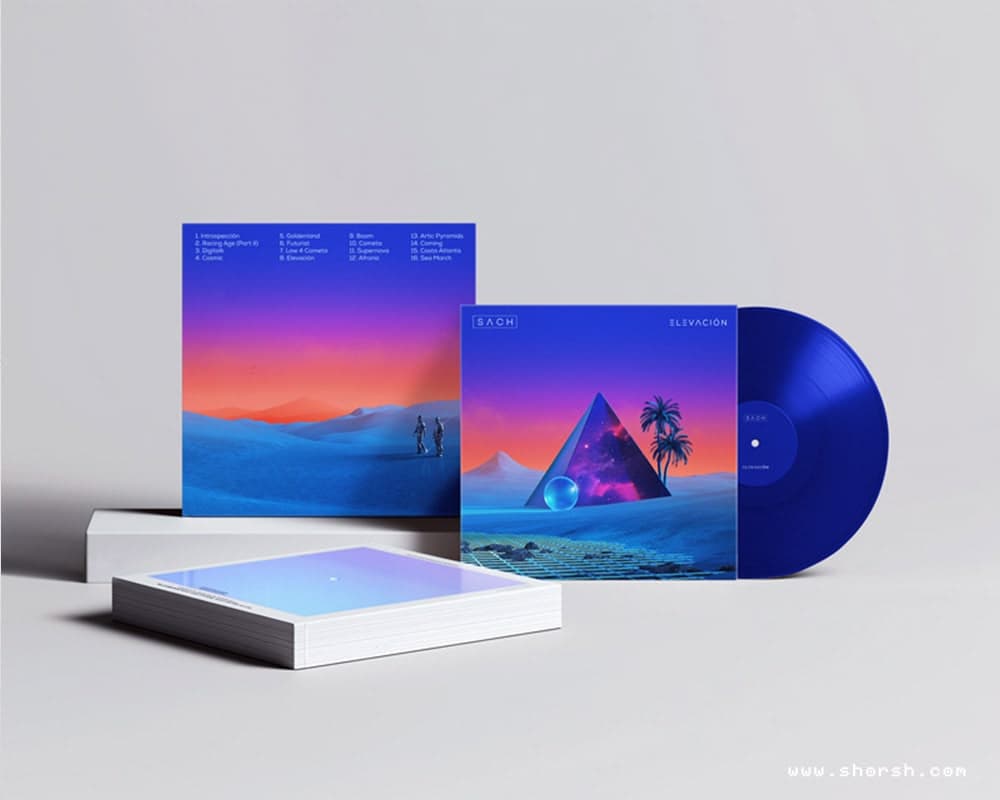
Album cover illustration always starts the same way for me: I put the music on and I don’t touch anything else for a while. I listen on repeat, sometimes for hours, letting the melodies, the lyrics, and whatever mood is underneath all of it settle before I pick up a pencil. The image has to come from the sound, not from a brief.
My starting point has always been pencil or pen on paper. There’s something about capturing ideas as they come, without the friction of a screen between the thought and the mark. The final artwork is always fully digital, but those analog sketches are where the real decisions happen.
How my album cover illustration process has changed
My workflow has evolved considerably over the years. With tighter timelines and new tools appearing constantly, I’ve moved toward a more hybrid approach. Lately that means blending AI-generated fragments with my own sketches and photographs. The AI outputs are never final pieces. They’re starting points that I reshape and pull through my own visual language until they stop looking like anyone else’s work.
From there I move into Cinema 4D or Blender, Photoshop, and sometimes After Effects, especially when the project involves animation, to build out the concept. I’m always watching how image-making technologies evolve, because the tools that best support the work tend to change faster than most people expect. That said, I’m not chasing every new release. I stick with the ones that actually serve what I’m trying to make, and add something new only when it genuinely changes what’s possible.
The Forester project: building a visual identity from scratch
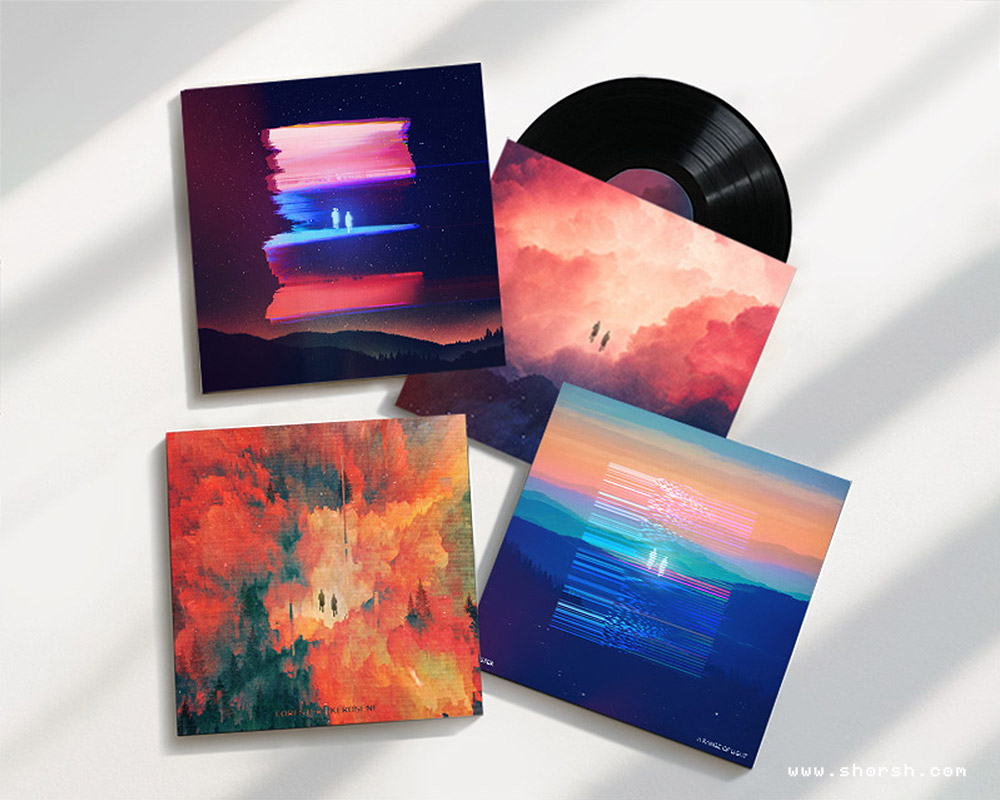
One of the most memorable album cover illustration projects in my career was with the electronic music duo Forester. Their first covers set the visual tone for their entire brand, and the challenge was capturing more than four different releases in single images that still felt like they belonged together.
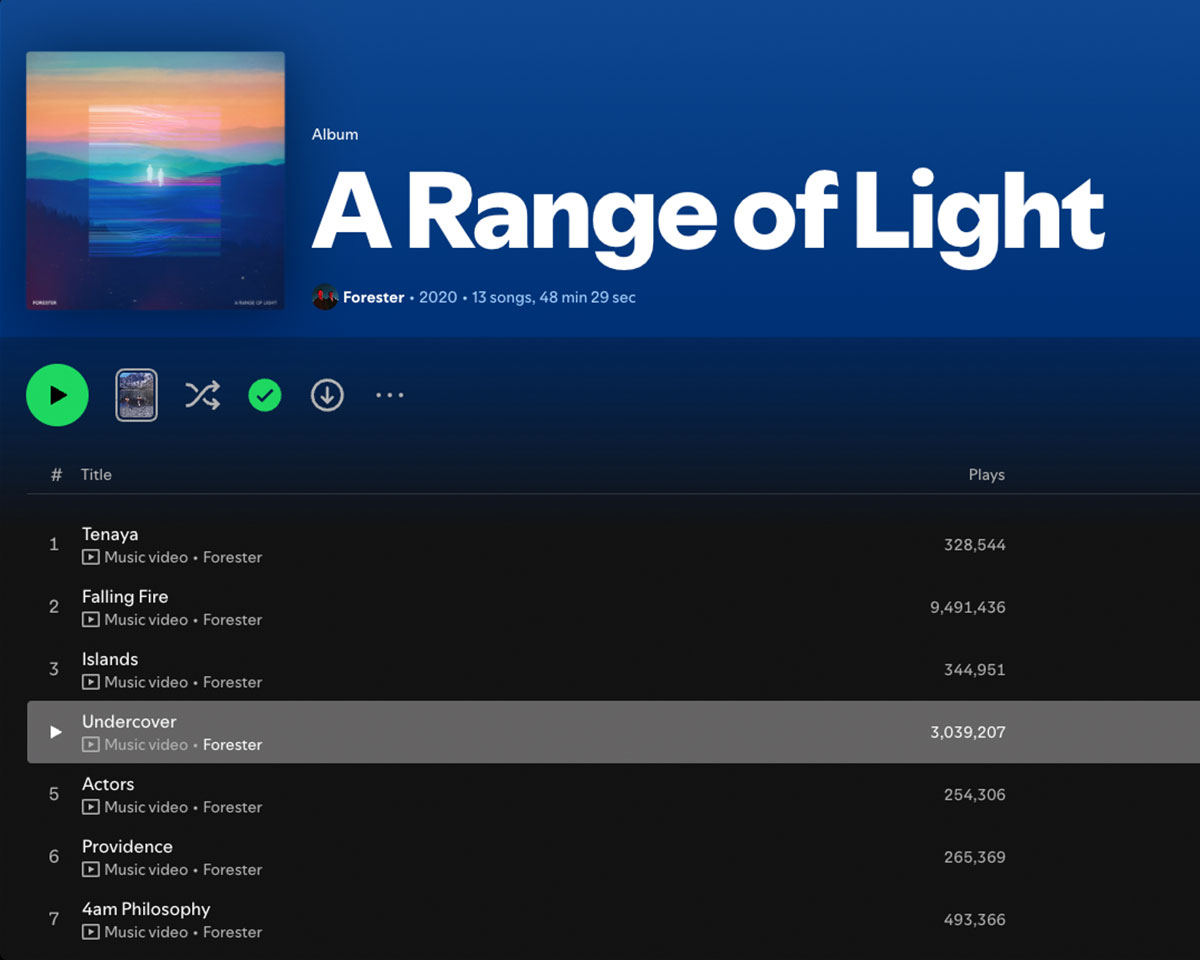
When I was starting out, some artists also asked if I could animate their cover artworks for Spotify Clips or Instagram Reels. At the time I hadn’t considered animation seriously, but their requests pushed me to experiment. I explored ways to bring static artworks into motion, adapting them to different aspect ratios and formats. Eventually, that work led me into animation and video projects I wouldn’t have found on my own. Collaboration opens doors you weren’t looking for, and sometimes those turn out to be the most useful ones.
When vision and client expectations don’t immediately align
Every project has friction. One of the consistent challenges I’ve faced is balancing my artistic vision with client expectations. After years of experience, I’ve learned that communication does more work than talent in those moments. My focus is always to meet, and ideally exceed, what the client came looking for.
At the same time, the work has to stay mine. It’s my artistic voice and my creative decisions that brought these clients to me in the first place. Through my career I’ve worked with clients who trusted that, and in doing so taught me new ways of thinking about images. When both sides hold their ground and still find a way through, the result tends to be something neither would have arrived at separately.
Why imperfection makes album cover art stronger
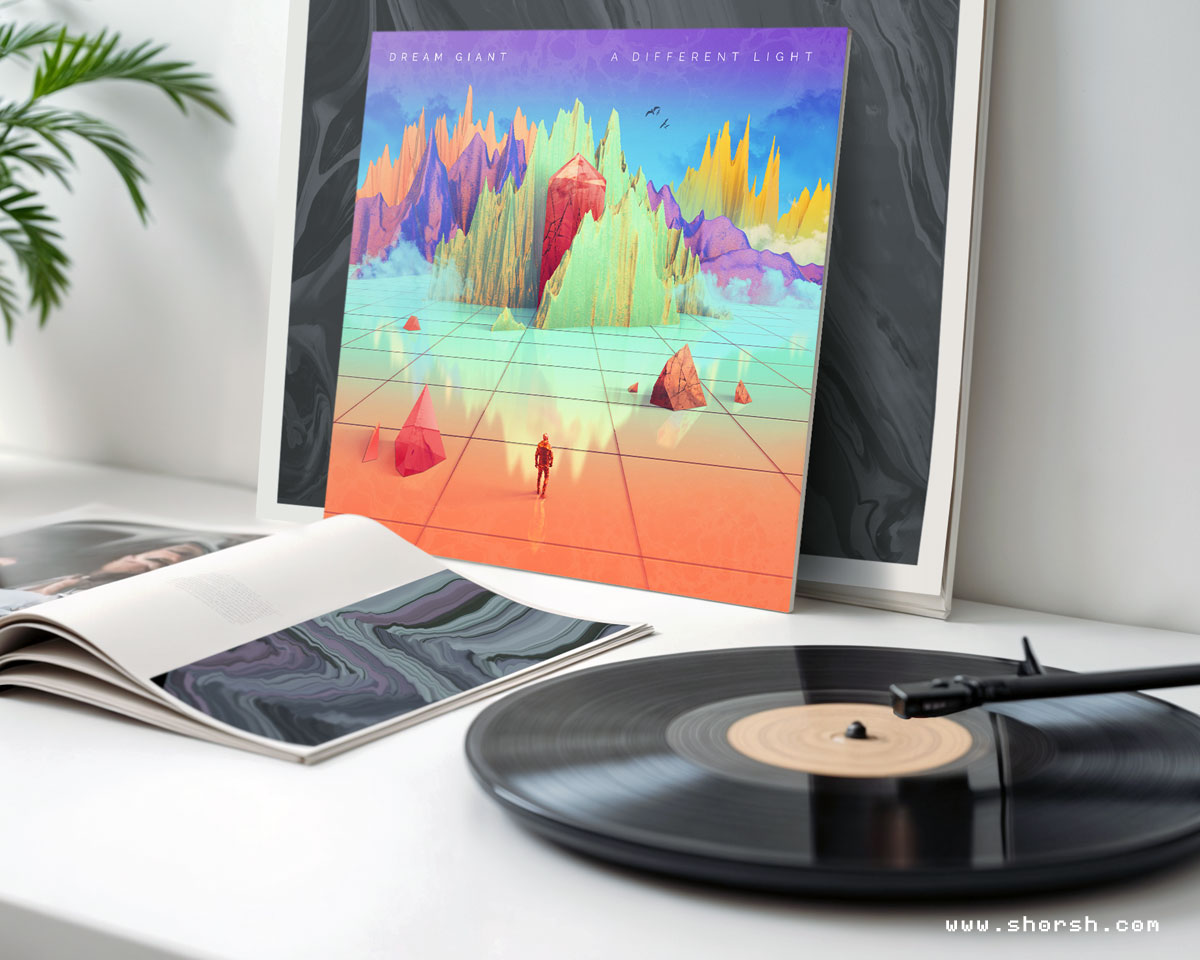
In a field where digital tools can produce technically flawless work, there’s real value in leaving rough edges. A hand-drawn line that survived the digital process, a texture that doesn’t quite resolve: these are often the things people remember. They signal that a person made choices, that the work wasn’t assembled from presets.
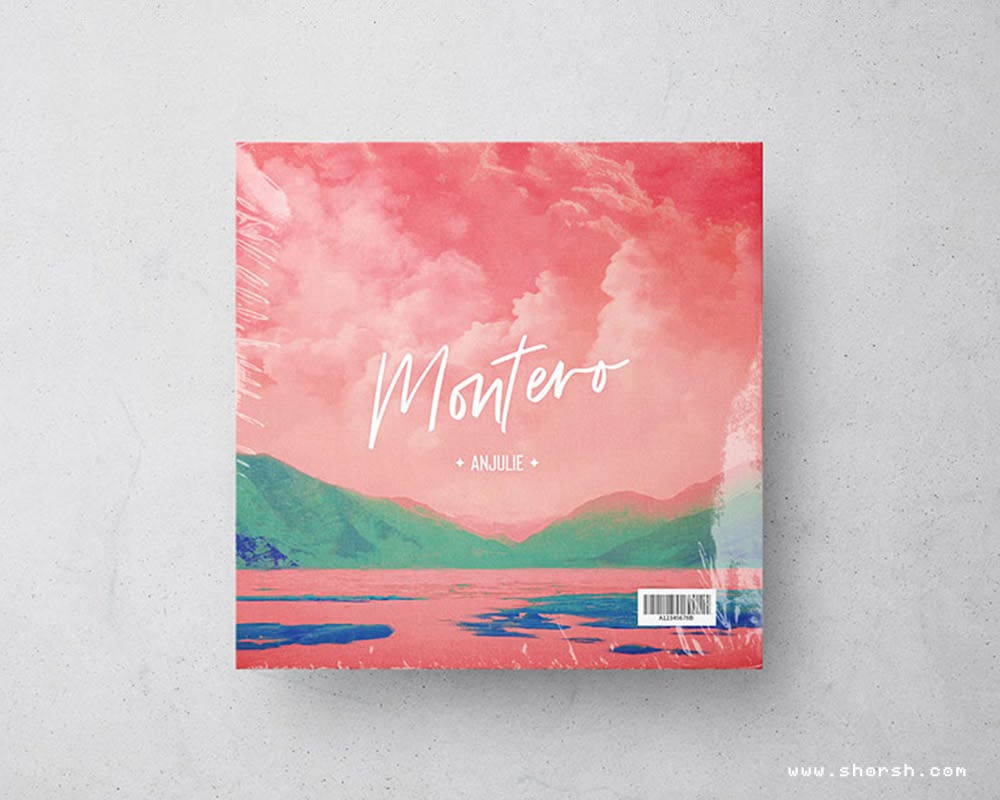
Those imperfections also tend to be what makes a cover feel like it belongs to the artist it represents, rather than to a genre or a moment. The rough edges are usually the most specific thing in the image, and specificity is what lasts.
See the work
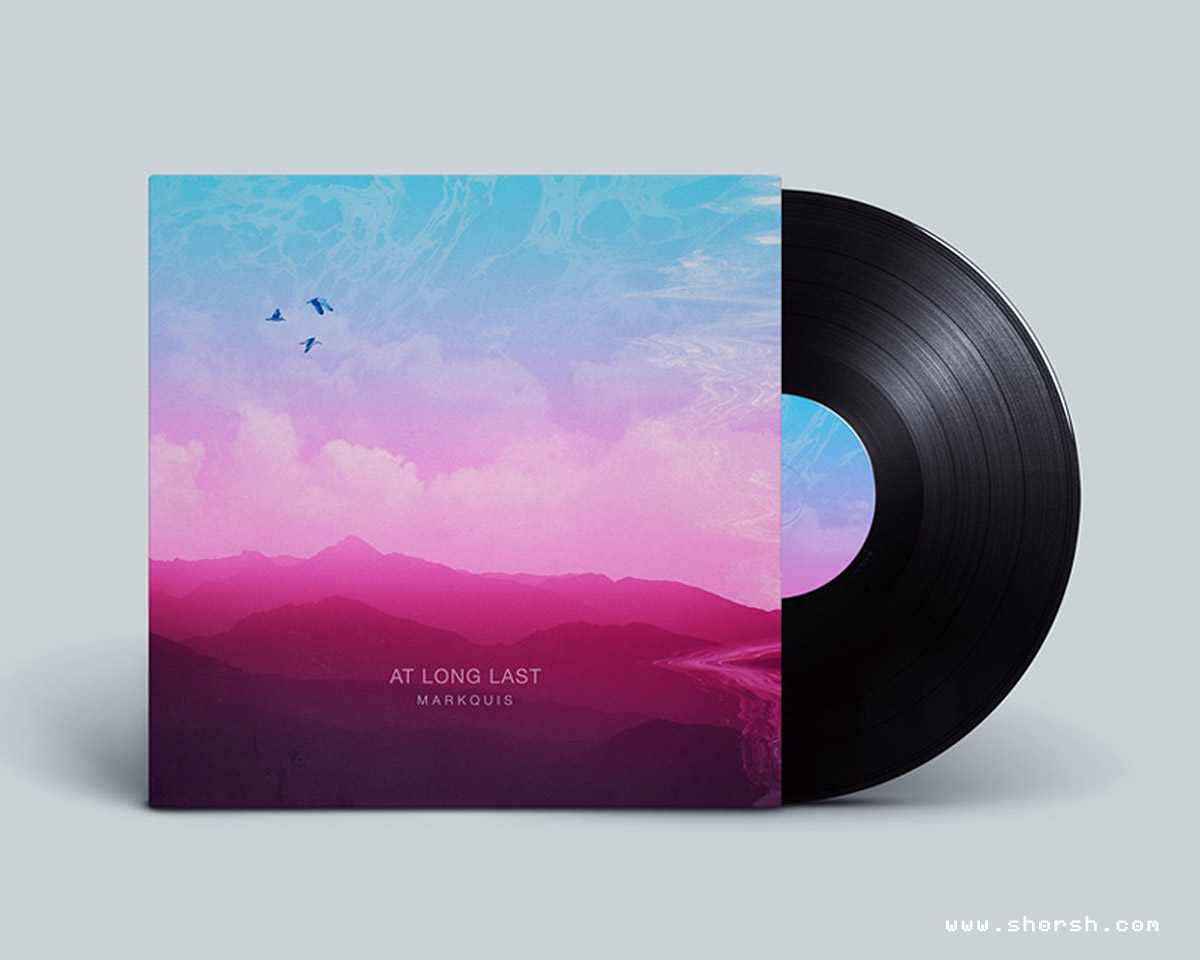
If you’d like to explore more, my cover art gallery has the full collection of album artworks from over the years. You can also follow the Spotify playlist with album cover illustration by Shorsh featuring the music behind the covers. And if you’re working on something that needs a visual voice, reach out.